Tanzania Wild Life Safari Tour

Durations
(6N/7D)

Difficulty
Easy

Min Age
0
Durations
(6N/7D)
Difficulty
Easy
Min Age
0
Embarking on a safari through Tarangire National Park, Ngorongoro Conservation Area, and Serengeti National Park is a journey into the heart of wild Africa, a tapestry of natural beauty and untamed wilderness that leaves an indelible mark on the soul.
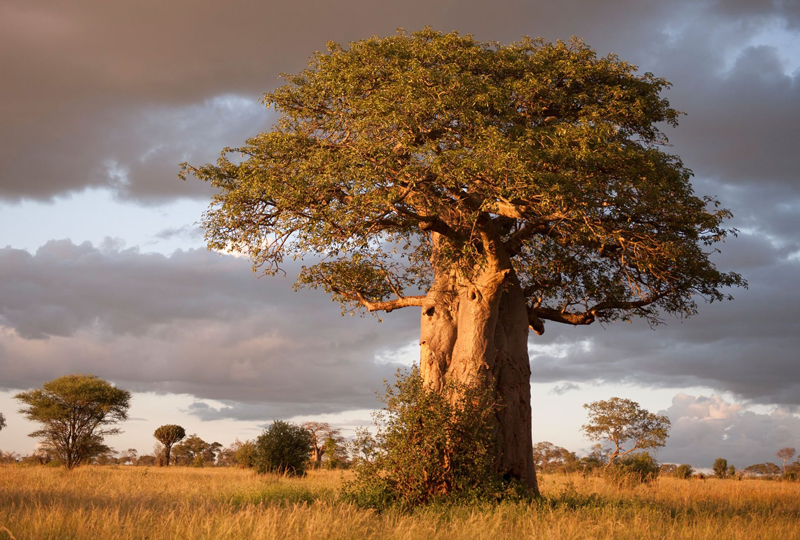
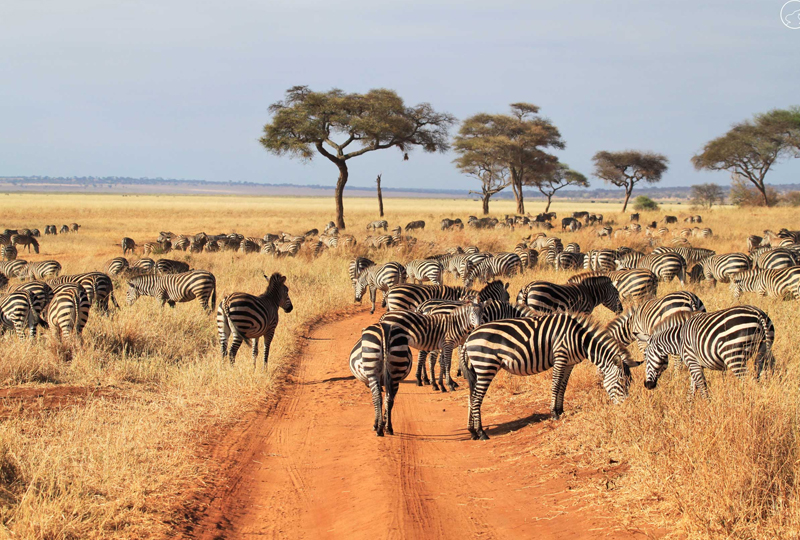
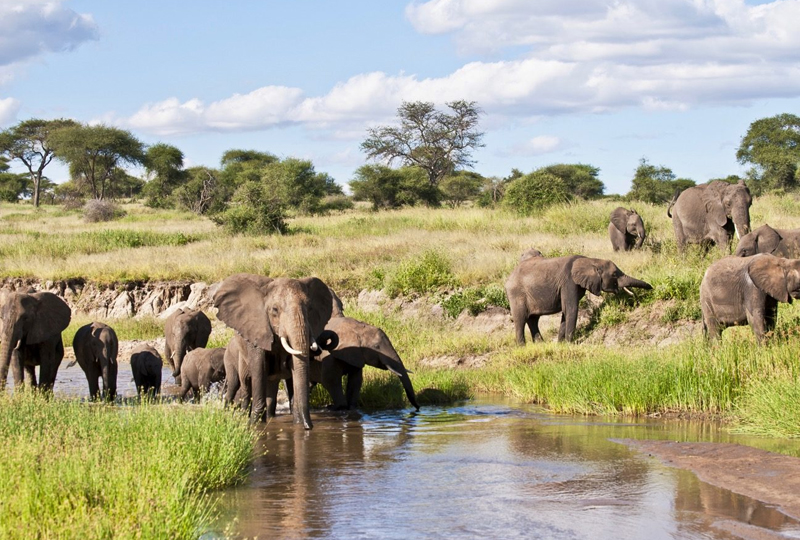
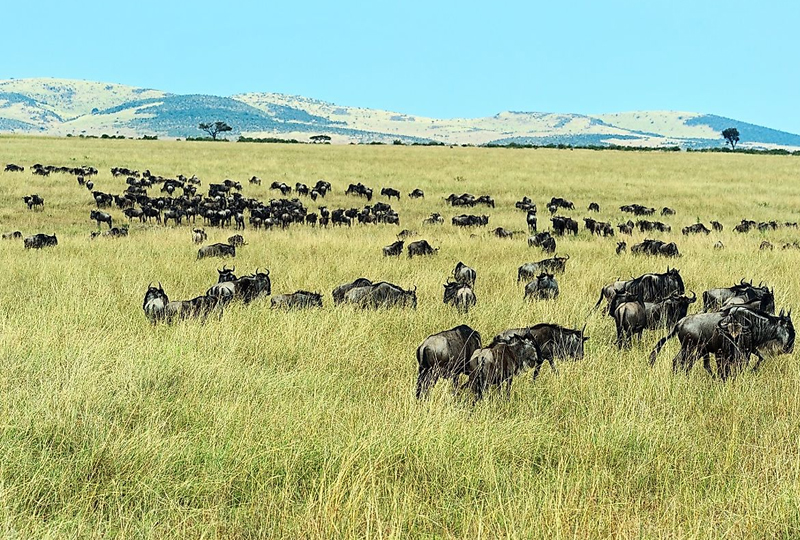
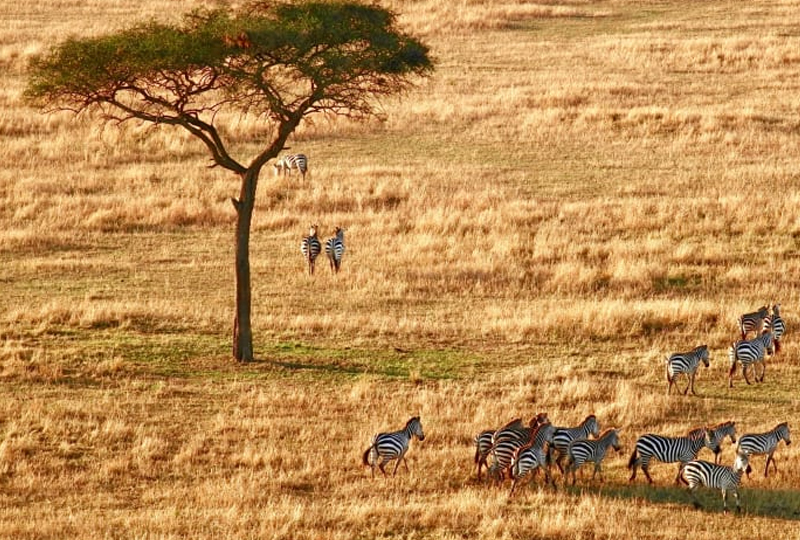
Tarangire National Park, with its iconic baobab trees and meandering river, is a sanctuary for diverse wildlife. As you traverse the grassy plains, you'll witness massive herds of elephants, zebras, and wildebeests, along with a plethora of bird species that grace the skies
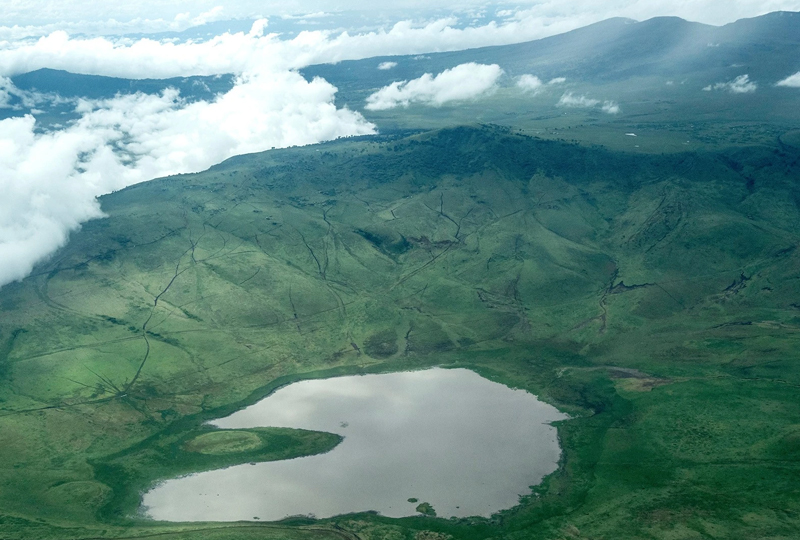
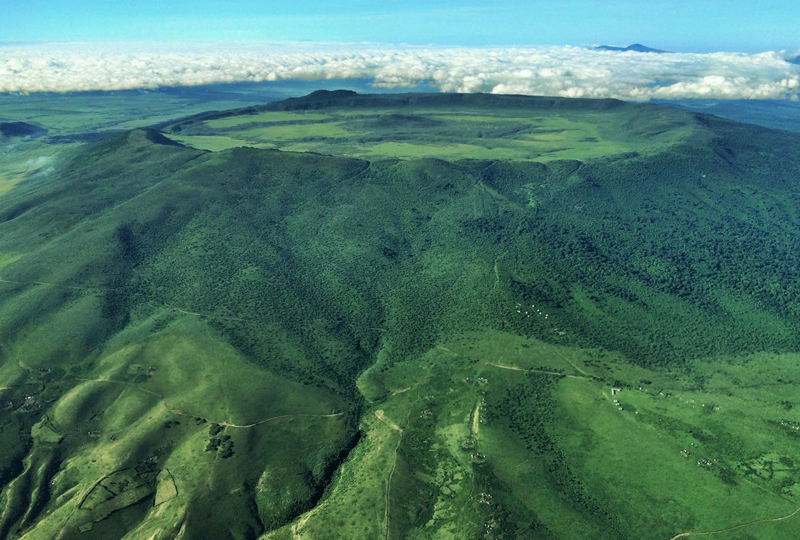
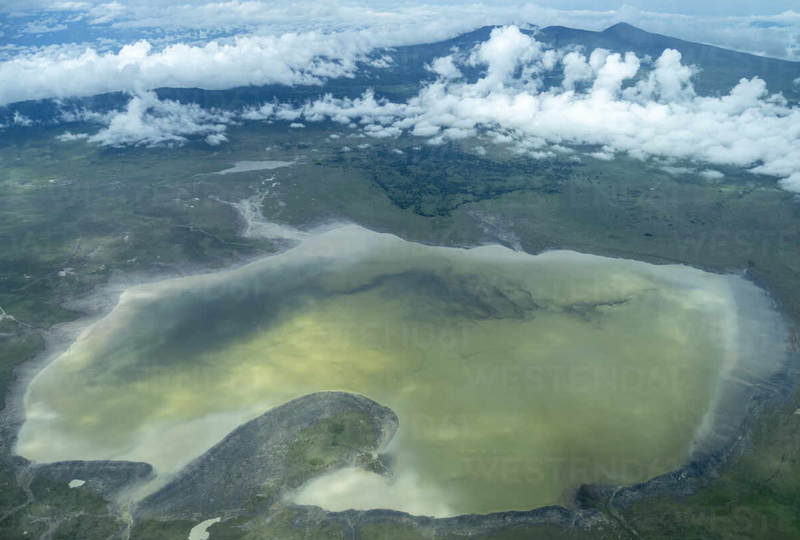
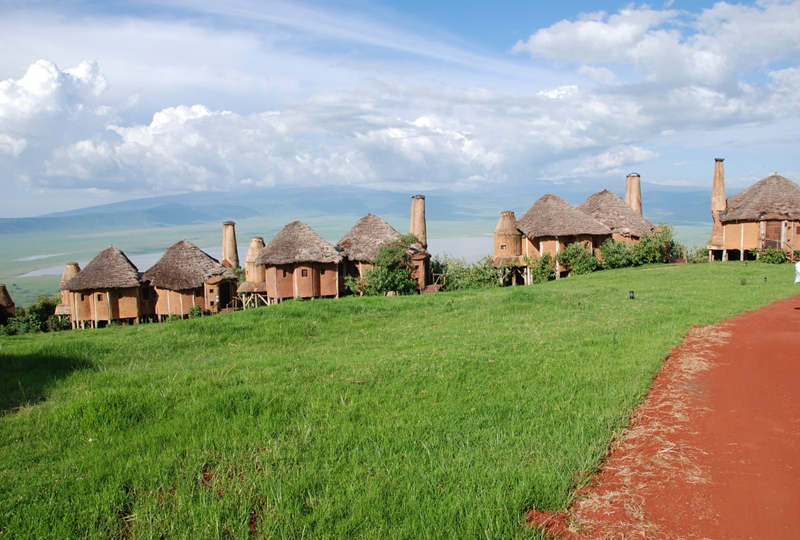
The Ngorongoro Conservation Area beckons with the otherworldly Ngorongoro Crater, a collapsed volcano that shelters a self-contained ecosystem. It's home to the renowned Big Five, including the endangered black rhinoceros, and offers breathtaking panoramas from the rim.
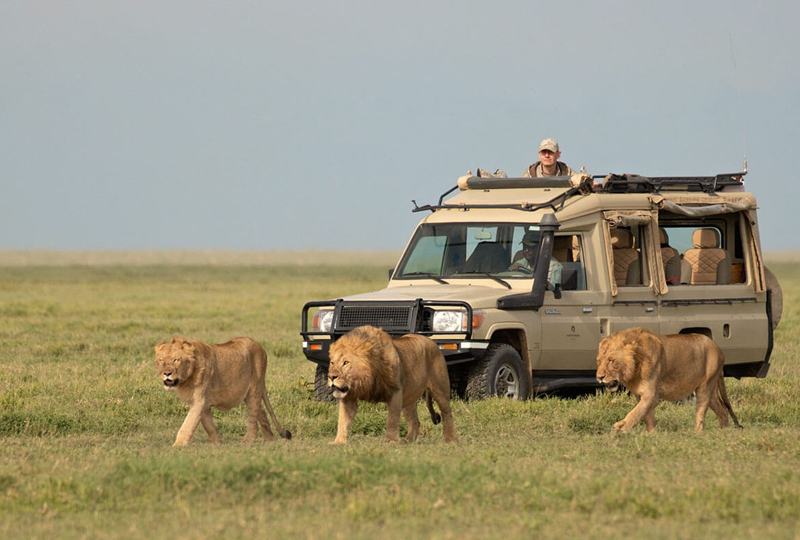
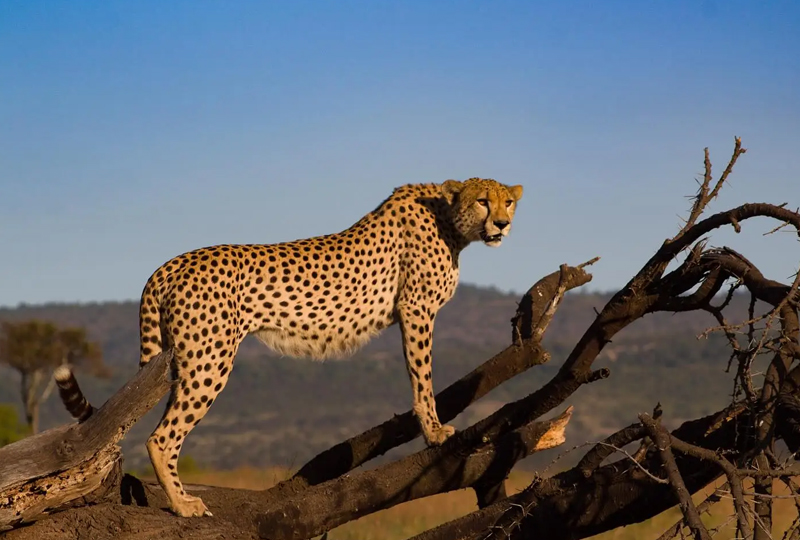
Serengeti National Park, often described as the "endless plains," is a stage for the Great Migration, where millions of wildebeests and zebras make their annual trek in search of greener pastures. The Serengeti boasts an extraordinary array of predators, including lions, leopards, and cheetahs.
Throughout this remarkable journey, the African landscape unfolds like a mesmerizing storybook, with each park offering its unique characters and narratives. From the boundless savannahs to the intimate encounters with wildlife, this safari is a soul-stirring expedition, an opportunity to witness nature's grandeur and the circle of life in its purest form, forever etching the beauty of the wild into your memory.
To help you plan your trip, we have put together a list of what's included and what's not included in your tour package. This will give you a clear understanding of what to expect and help you make any necessary arrangements before your journey begins.

Accommodation
3 Star Hotels & Traditional stays

Arrival Airport
Jaipur International Airport (Sanganer)

Meals
All breakfasts

Group size
10 - 12 Peoples

Professional Tour Guide
1 Tour Guide
The itinerary Safari through Tarangire National Park , Ngorongoro Conservation Area (UNESCO World Heritage Site located) and Serengeti National Park. (World Heritage site )
DAY 1 - Arrival Day
The group arrives at Kilimanjaro Airport (JRO).We will suggest you to reach before 11am if possible. Participants are met by our representative and transferred to a hotel in Tarangire national park
Tarangire National Park
In this park you have the chance to see lots of wild Tanzanian animals (lions, buffalos, giraffes, zebras, etc.), but above all else it is famous for its astonishing number of elephants, who typically tend to stay close to their drinking source, the Tarangire River.
You should be aware that this is wild nature, so the guide cannot make any guarantees on the presence of specific wild animals, but you can be sure he will do his best to find everything you're looking for! Our team has its own radio channel that the drivers use to communicate to other guides and collaborate on searches for rare species.
At lunch time you will be provided a meal, after which the safari will continue. In the evening you will be transferred to the hotel located in Ngorongoro.
Additional notes:
This is your first day on safari, so we ask that you please pay special attention to the national parks visitor rules and our company recommendations:
DAY 2 - Serengeti National Park
In the morning after breakfast (around 7:30 AM) your safari guide will arrive at the hotel and inform the receptionist that he is waiting for you. After meeting up with your driver you will travel to Tarangire National Park, and by 10:00 AM you will already be on your first safari!
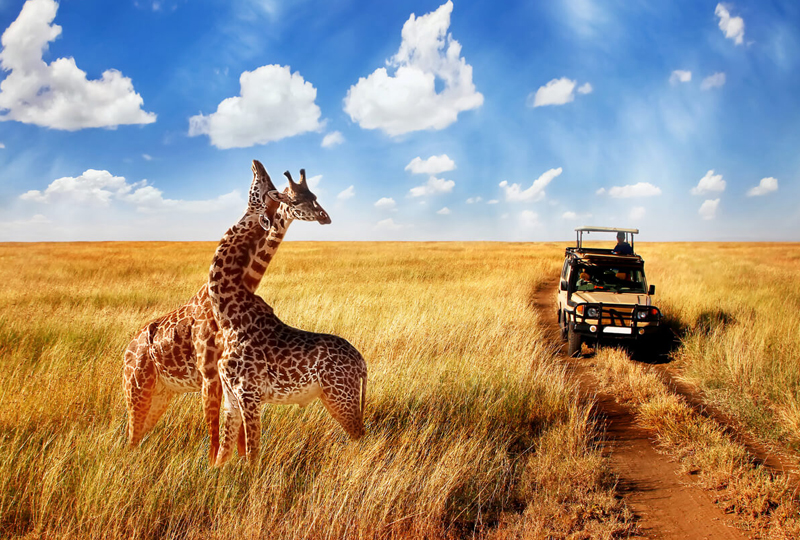
After that you will be taken to Serengeti National Park, and do a game drive safari in the eastern and southern parts of the park. The greater part of these areas is a savanna with wide open spaces, which provides a likely opportunity to see cheetah hunting antelopes.
In the evening you will be transferred to a hotel, where you will have dinner and be able to rest.
DAY 3 - Serengeti National Park
After breakfast, you will start the safari by being transferred to the central part of the Serengeti (also called Seronera). Here your driver will try to find the animals you're the most interested in. Closer to lunch time you will visit the Serengeti Visitor Centre, where you will be offered a lunchbox and provided with lots of interesting information not only about the animals’ populations, but also about the history of the National Park. Also, in this area you will be able to see hyraxes, which are the elephant's closest relatives.
It is difficult to describe in detail all the animals of the Serengeti valley, for they number in the thousands: elephants, buffalo, ostriches, giraffes, jackals, hyenas, lions, antelopes, leopards and cheetahs—just keep your eyes peeled and enjoy the nature around you.
In the evening you will be transferred to a hotel, where you will have dinner and be able to rest.
DAY 4 - Serengeti National Park
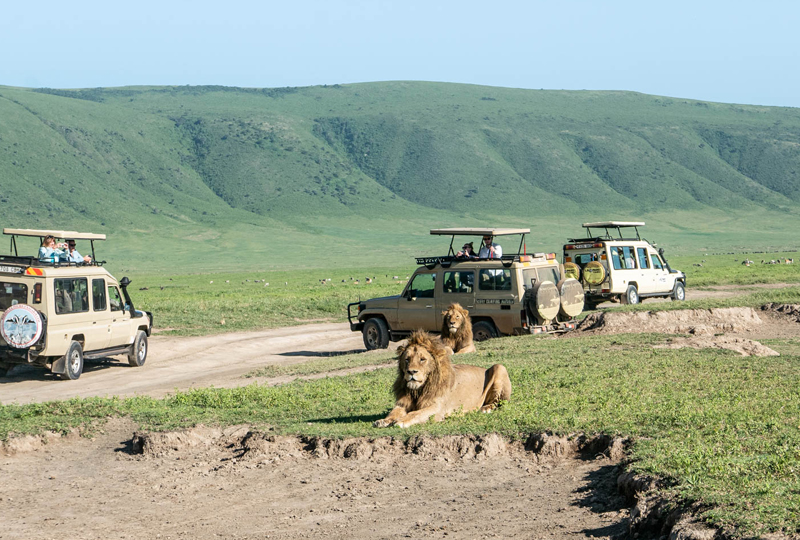
In the morning, after breakfast, you’ll start of your game drive through the northern part of the Serengeti, which is in a league of its own when it comes to its landscape and diversity of fauna. On this day you can see the animals that only live in the most remote areas of the park.
In the evening you will be transferred to a hotel in the Ndutu Area.
DAY 5 - Ndutu Area to Ngorongoro Conservation Area
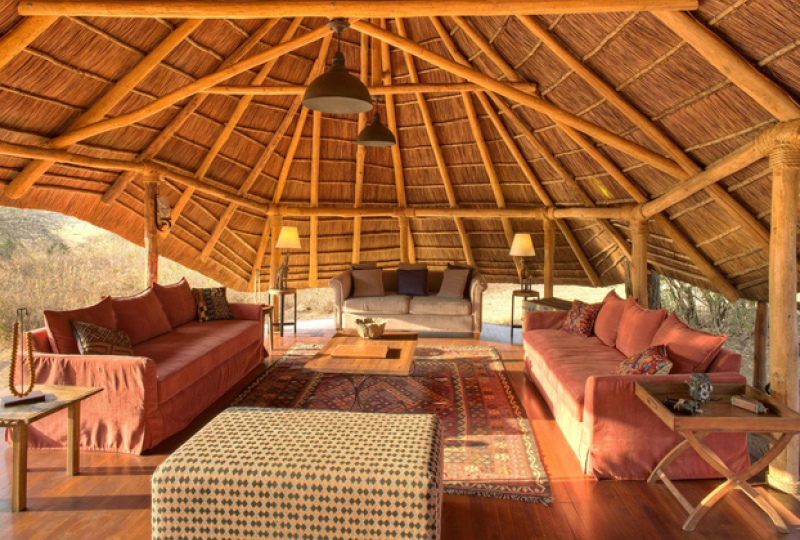
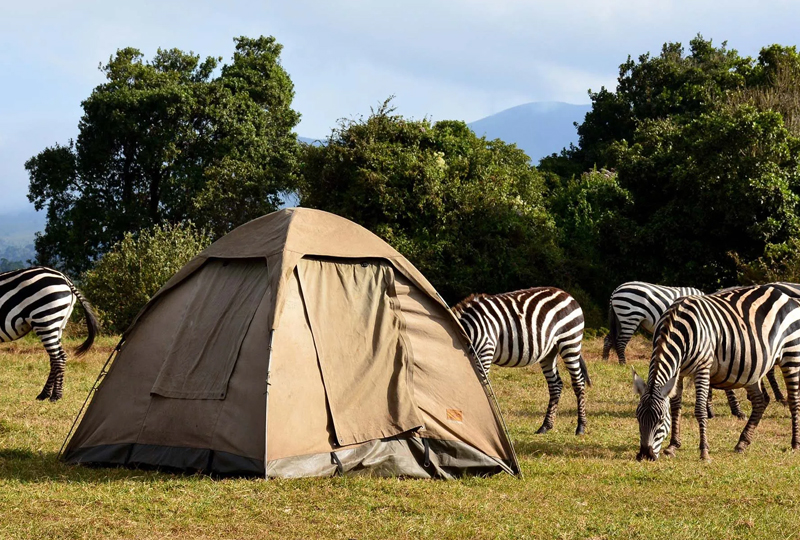
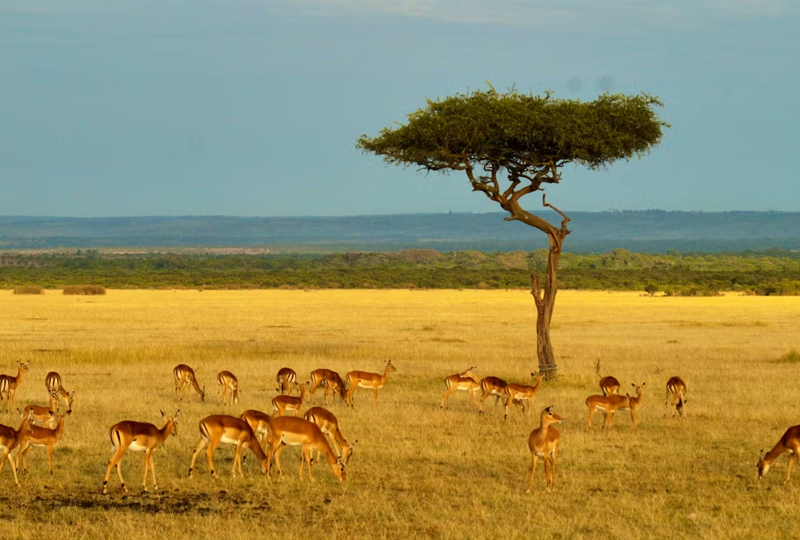
After enjoying your breakfast, will have a game drive in the Ndutu area, as the great Migration will be taking place during that season. After a long day of activity, will be driven to a hotel in Ngorongoro conservation Area.
DAY 6 - Ngorongoro Crater
On this day it is advised to leave the hotel as early as possible so you can see the variety of animals that are only active during the morning hours; breakfast will be packed in lunchboxes specifically for this purpose. At around 6:30 AM you will set off for Ngorongoro Conservation Area, and after an hour you will be inside the crater.
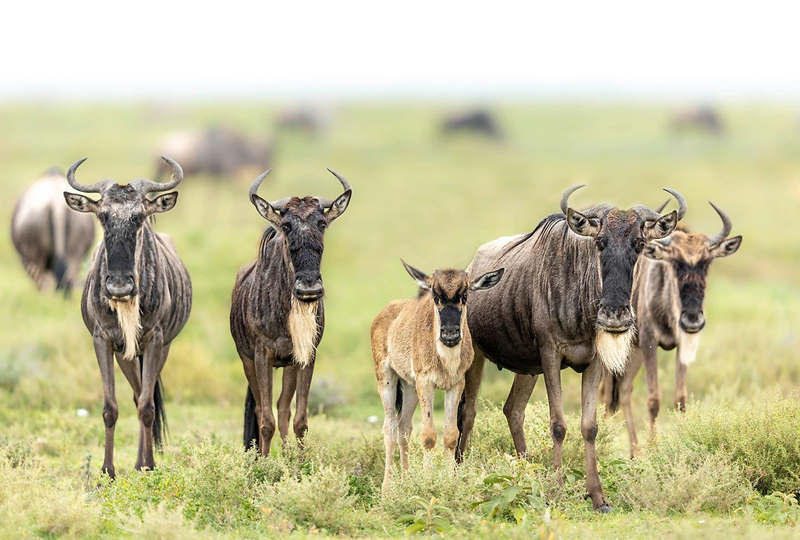
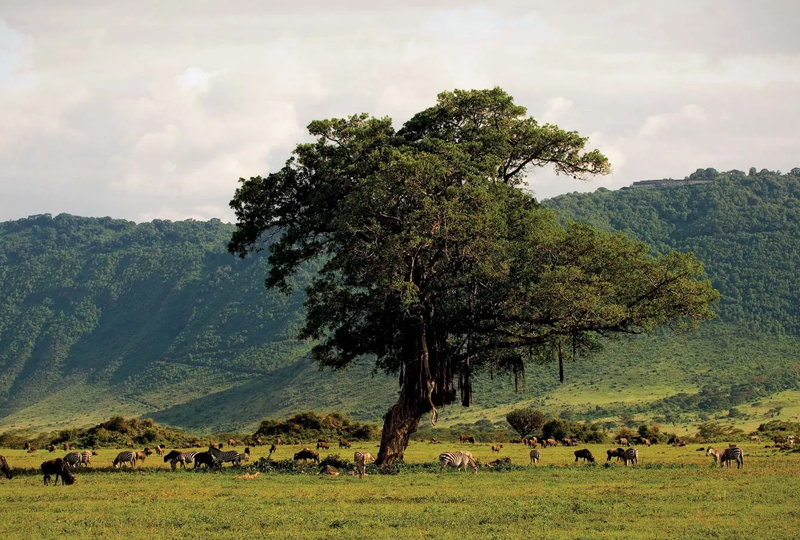
Ngorongoro is one of the most famous and interesting part of Tanzania's national parks because here you can find the greatest number of different animal species per square kilometer. You will have the chance to see buffalo, elephants, lions, wildebeests, zebras, hippopotamus and feline species such as caracals and servals. The luckiest travelers might even see a rhinoceros, an animal whose numbers are rapidly declining.
In the afternoon we will be through with the safari and get transferred to the airport.
Trip ends here.
The Cost Includes:
The Cost Excludes:
The open-concept layout seamlessly connects the living room with the fully equipped kitchen, boasting top-of-the-line appliances and all the essentials for preparing delicious meals.
This is the second item's accordion body. It is hidden by
default, until
the collapse plugin adds the appropriate classes that we use to style each element.
These
classes control the overall appearance, as well as the showing and hiding via CSS
transitions. You can modify any of this with custom CSS or overriding our default
variables.
It's also worth noting that just about any HTML can go within the
.accordion-body, though the transition does limit overflow.
This is the third item's accordion body It is hidden by default, until the collapse plugin adds the appropriate classes that we use to style each element. These classes control the overall appearance, as well as the showing and hiding via CSS transitions. You can modify any of this with custom CSS or overriding our default variables. It's also worth noting that just about any HTML can go within the accordion-body though the transition does limit overflow.
This is the third item's accordion body. It is hidden by
default, until the
collapse plugin adds the appropriate classes that we use to style each element. These
classes control the overall appearance, as well as the showing and hiding via CSS
transitions. You can modify any of this with custom CSS or overriding our default
variables.
It's also worth noting that just about any HTML can go within the
.accordion-body, though the transition does limit overflow.


